12 reasoning games to play at home this week
8 October 2026 · 6 min read
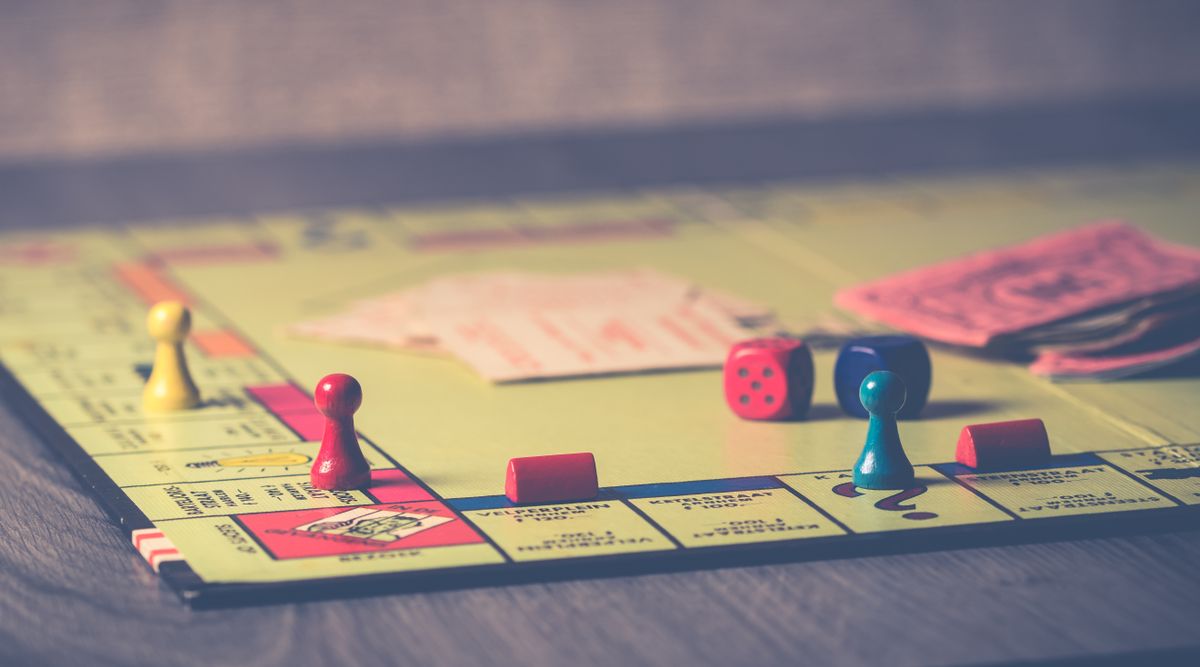
You don’t need workbooks to build reasoning. Most of it happens in ordinary games, as long as someone asks “how did you know?” now and then. Toronto’s public school board gives its own families a list of games like these, so nine of the twelve below come from it. Three are our own, and we’ve marked them.
Games for thinking with words
1. Boggle or Scrabble
Finding words in a jumble of letters means holding several options in mind and testing each one. Let younger children play in pairs with a grown-up.
2. Crosswords and word searches
A clue is a small definition puzzle: what word means this, and fits these letters? Children’s crossword books start at very short words.
3. The analogy gameour idea
“Bird is to nest as bee is to…?” Take turns making one up at dinner. The fun part is when someone finds a second answer that also works and has to explain it.
4. Odd one outour idea
Name four things where one doesn’t belong: apple, banana, carrot, pear. Then ask what the other three share. Often there is more than one good answer.
Games for thinking with numbers
5. Yahtzee
Every roll is a small decision: which dice to keep, which score box to aim for, and adding up the total.
6. Uno and Monopoly
Uno is matching by colour or number and planning a hand. Monopoly is money, adding up and trading. Both are long enough to have real choices.
7. Cooking with measuring
Doubling a recipe, halving it, or working out how many cups make a litre is number reasoning with a snack at the end.
8. What comes next?our idea
Say a number pattern out loud in the car: 2, 4, 6, 8… Then make it harder: 1, 2, 4, 7, 11… Let your child make one for you to solve.
Try it: what comes next?
0, 3, 6, 9, 12, ___
9 · 12 · 13 · 14 · 15
Show the answer and the rule
15. The rule is add the same amount each time: 3. Asking “what’s the rule?” is the part worth practising.
Games for thinking with pictures
9. Jigsaw puzzles
Matching shapes, edges and colours is visual reasoning you can see on the table. Do one together over a few evenings.
10. Spot the difference and memory games
Comparing two pictures closely, or remembering where a matching card was, trains careful looking.
11. Plan a trip on a map
Which way is shorter? What’s north of the park? Maps are space and direction, and children enjoy being the navigator.
12. Tangrams and Lego
Making a given shape from pieces, or building from a picture, means turning shapes in your head before your hands.
The habit that matters more than the game
The same board deck has one suggestion that goes with all twelve games: ask children “to explain how they came up with an answer, justify why it is correct.” It costs nothing, and it turns a guess into a reason. There is good research behind it, which we cover in why asking “how do you know?” helps children learn.
On a rainy day: puzzles on a screen
Games at the table come first. For the days they don’t happen, Cub Climb puts the same three kinds of reasoning into twelve-puzzle climbs, with the same habit built in: after every answer, your child names the rule. Here’s how it works.
Sources
From the makers of this blog
Cub Climb: reasoning puzzles that ask “why?”
- All three kinds of reasoning: words, numbers and shapes, nine puzzle types, 3,600+ original puzzles for grades 3 to 8.
- Answer, then say why. One star for the answer, a second for naming the rule, then the cub explains it in plain words.
- Missed puzzles come back after 1, 3 and 7 days, and a grown-ups’ area shows which skills are going well.
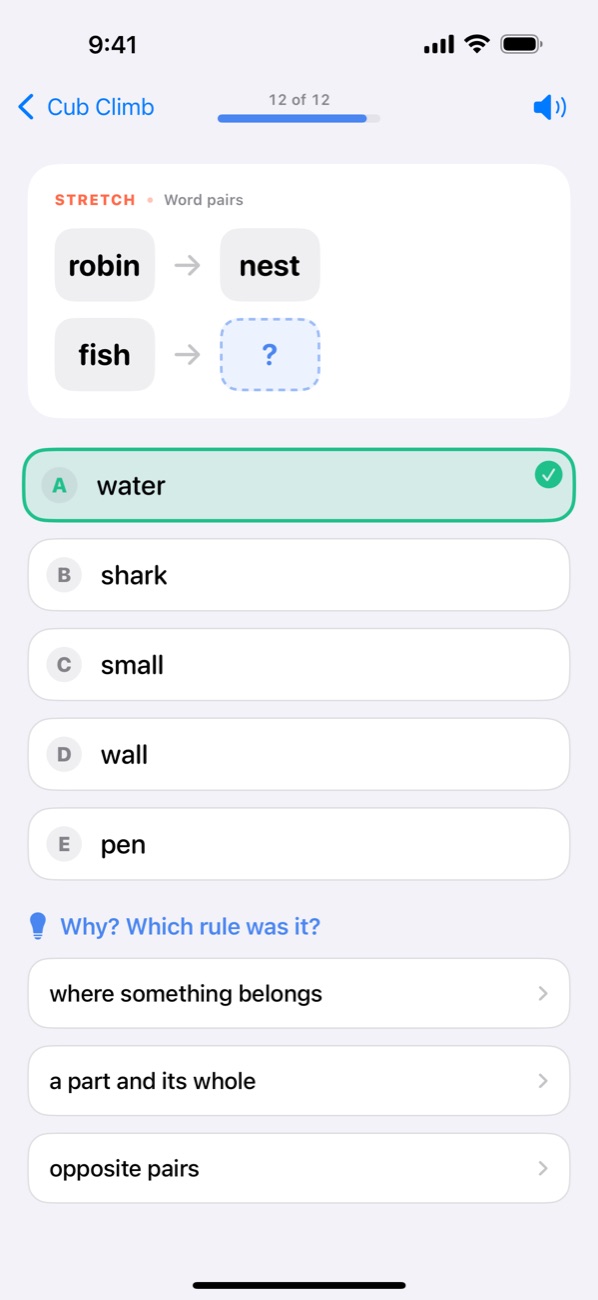
The first 20 puzzles are free. Then a season pass that never renews, or monthly. See how it works.
More from the blog
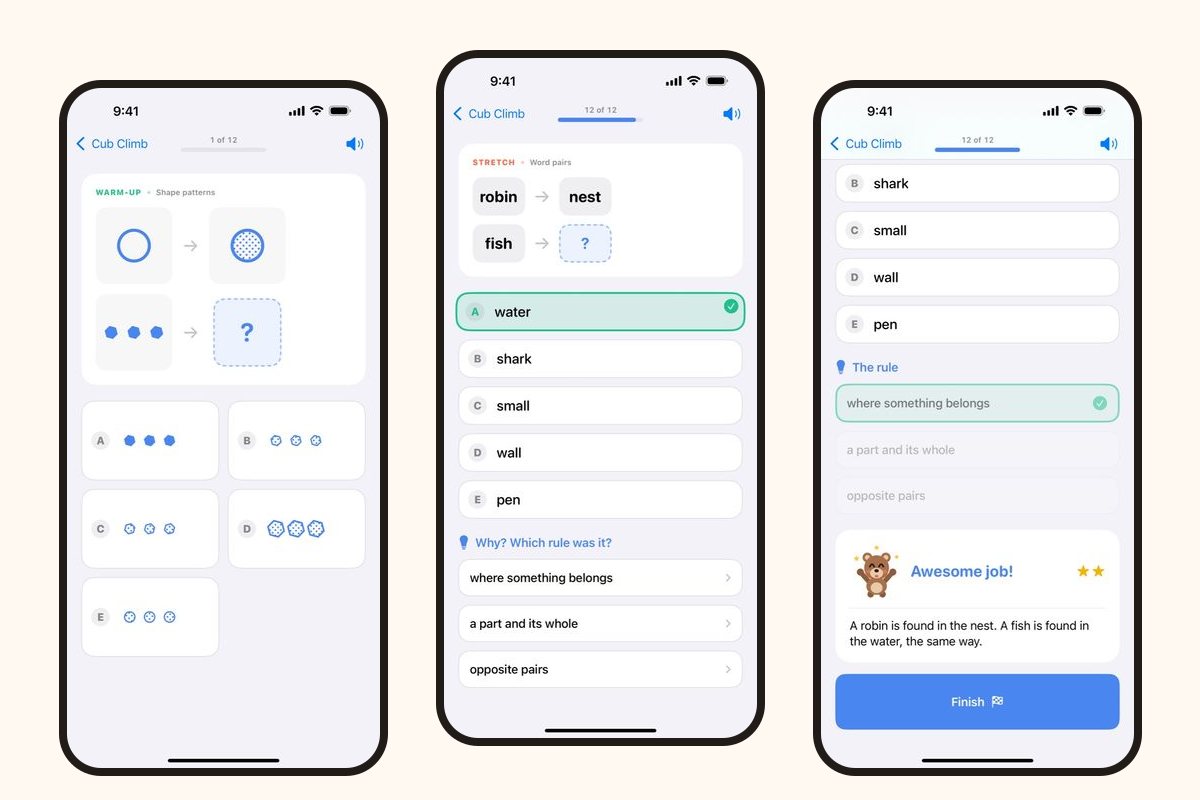 How Cub Climb builds reasoning, puzzle by puzzleA tour of the Cub Climb app on real screens: the three kinds of reasoning, answer-then-why, missed puzzles that come back, and what grown-ups see.
 York Region’s Grade 3 gifted screening, explainedWhen York Region screens Grade 3 students for gifted programs, what the CCAT looks at, and what happens after — from the board’s own published procedure.
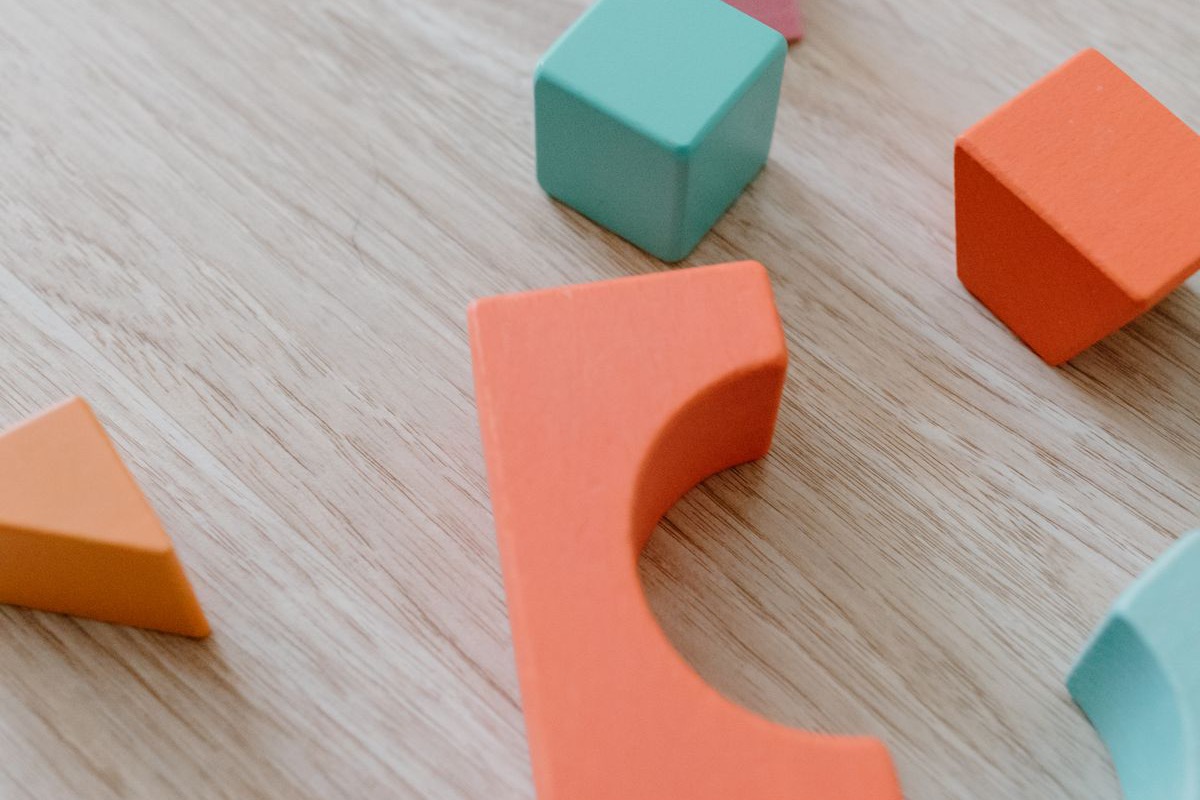 Verbal, quantitative and non-verbal reasoning, explainedThe three kinds of reasoning gifted screenings like the CCAT-7 and CogAT look at, in plain words, with one puzzle of each to try with your child.
Cub Climb is not affiliated with, endorsed by, or connected to any school board, test publisher or testing organisation. CCAT-7, CogAT, OLSAT and CAT4 are trademarks of their respective owners.