Do-Re-Mi or C-D-E? Letter names, fixed do and movable do
11 October 2026 · 5 min read
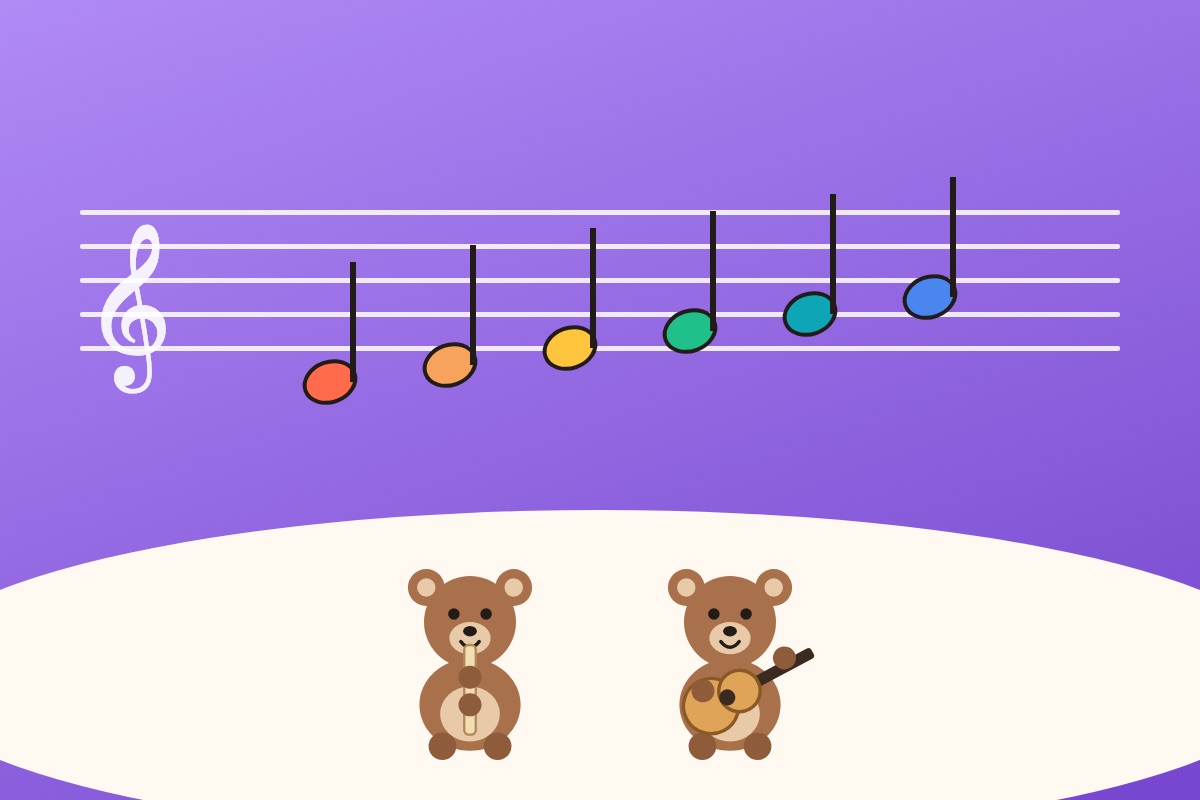
Your child’s teacher calls a note “C”. A cousin in Italy calls the same note “do”. A choir teacher sings “do” for a different note altogether. All three are right — they are three different naming systems. Here is how they differ, and which one matters for reading music.
Letter names: C, D, E, F, G, A, B
In English-speaking countries, notes are named with the first seven letters of the alphabet, then the letters start again. A note’s letter never changes: the note on a given line of the treble staff is always the same letter. This is what most instrument teachers in the UK, US, Canada and Australia use.
Fixed do: do, re, mi, fa, sol, la, si
In France, Italy and Spain, the syllables became attached to fixed pitches: do is C, re is D, mi is E, and so on, with si for B. It is the letter-name system with different words. A child taught fixed do reads exactly the same staff — they just say “sol” where an English speaker says “G”.
Movable do: do is wherever the song starts
In movable do, “do” is the first note of the scale the music is in, so do, re, mi describe how notes relate to each other, not which notes they are. Kodály built his method on it, from the tonic sol-fa system he met in England. It is a powerful tool for singing and hearing — the “Do-Re-Mi” most people know from a choir.
Which one helps a child read?
- To read notes for an instrument, use whatever your child’s teacher uses — in English-speaking countries, almost always letters. Fixed do works the same way.
- To sing and hear music, movable do is excellent, and it doesn’t conflict with letter names: many children learn both, for two different jobs.
- Don’t mix them for the same job. A note called C on Monday and do on Tuesday is two names to learn for one thing.
How Cub Climb Melody handles it
Melody can name notes either way for each child: letter names, C to B, or fixed Do-Re-Mi. The buttons and the names the cub says follow that choice, so your child learns the names their teacher uses. See how Melody works · how to start reading music at home.
Sources
From the makers of this blog
Cub Climb Melody — a child learns to read music, one note at a time
- A note, its name, its sound. A note sits on the staff, your child taps its name, and it plays on their own instrument — piano, violin, cello, guitar, recorder and more.
- Help that fades. Each note starts in its colour and fades to plain ink as it is learned, so a child is really reading.
- Notes come back just before they would be forgotten. For ages 3 and up, with everything spoken for the youngest.
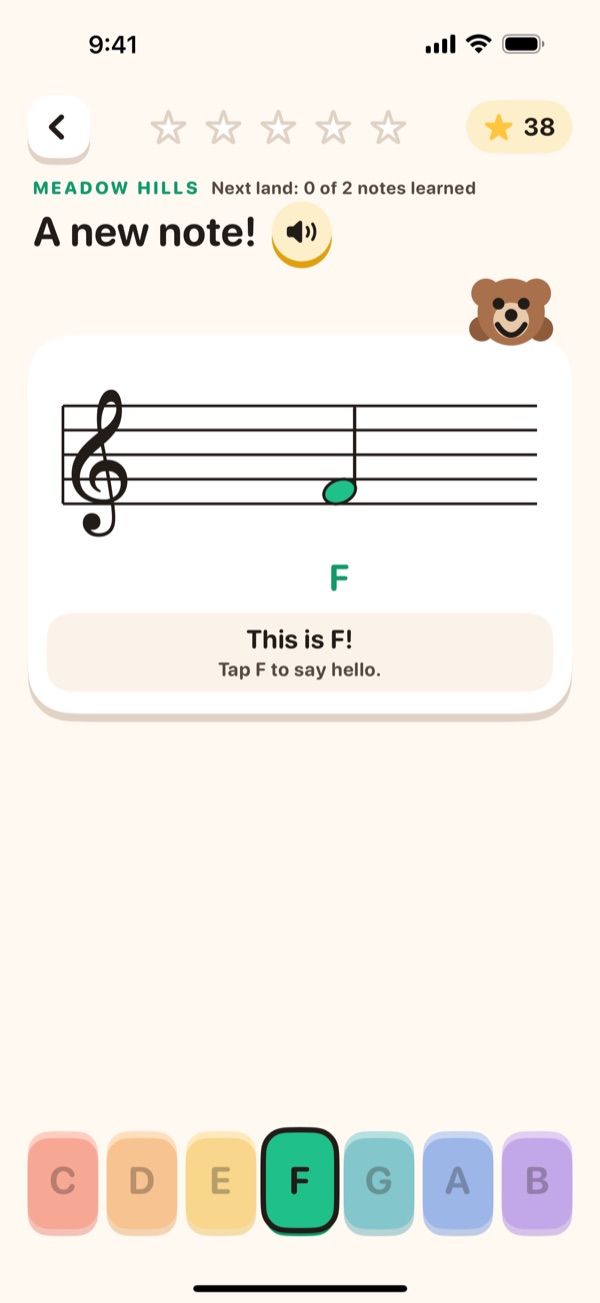
Free to start, then one purchase for the whole family, with nothing to renew. See how it works.
More from the blog
 How to teach a child to read music, ages 3 to 8What children can learn when, why sound comes before symbols, and a calm, five-minute way to start reading notes at home — even if you don't read music.
- Reading music
- How children learn
 Treble or bass clef first? It depends on the instrumentWhich clef your child reads first, and which notes, depends on what they play. A guide for piano, violin, viola, cello, guitar, recorder and more.
- Reading music
 Five-minute note-reading games to play at homeSix short games that help a child read notes on the staff, with paper, a few coins or their own instrument — no music reading needed from you.
- Music at home
- Reading music
Cub Climb is not affiliated with, endorsed by, or connected to any school board, test publisher or testing organisation. CogAT, NNAT, OLSAT, CCAT-7, CAT4 and other test names are trademarks of their respective owners.