Melody
Reading music
How children learn to read music: the staff, clefs, note names, and what music exams around the world expect a beginner to read.
 How to teach a child to read music, ages 3 to 8What children can learn when, why sound comes before symbols, and a calm, five-minute way to start reading notes at home — even if you don't read music.
- Reading music
- How children learn
 Treble or bass clef first? It depends on the instrumentWhich clef your child reads first, and which notes, depends on what they play. A guide for piano, violin, viola, cello, guitar, recorder and more.
- Reading music
 Do-Re-Mi or C-D-E? Letter names, fixed do and movable doWhy some teachers say C and others say Do, the difference between fixed and movable do, and which one helps your child read music.
- Reading music
- How children learn
 Five-minute note-reading games to play at homeSix short games that help a child read notes on the staff, with paper, a few coins or their own instrument — no music reading needed from you.
- Music at home
- Reading music
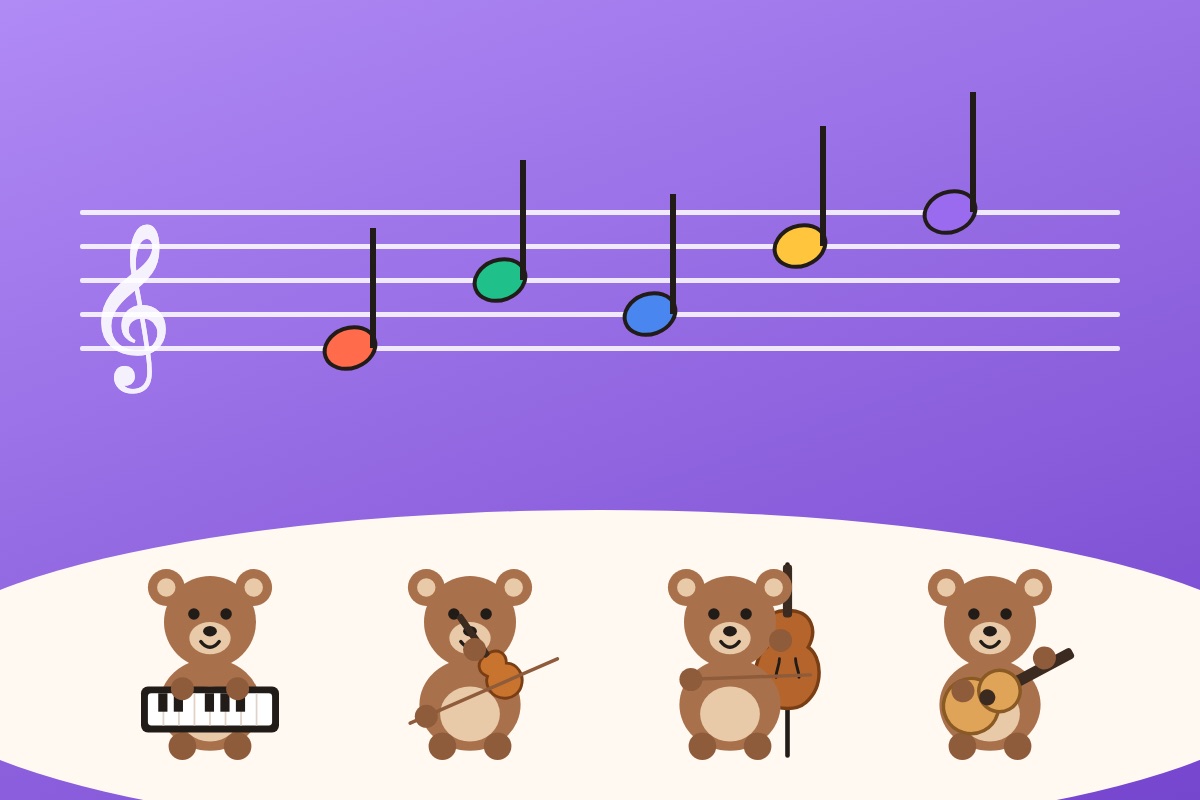 Music exams around the world: ABRSM, Trinity, RCM and AMEBThe first music exams in the UK, Canada, the US and Australia, what they ask a beginner to read, and a quarter-note-to-crotchet glossary.
- Reading music
- United Kingdom
- United States
- Canada
- Australia
From the makers of this blog
Cub Climb Melody — a child learns to read music, one note at a time
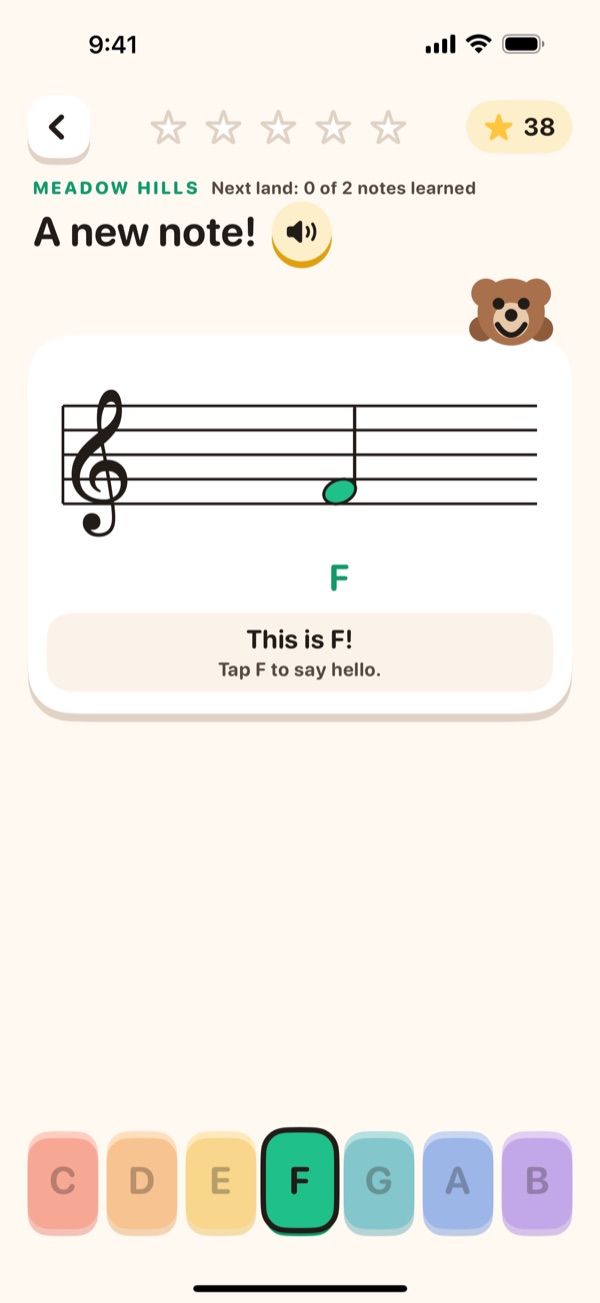
- A note, its name, its sound. A note sits on the staff, your child taps its name, and it plays on their own instrument — piano, violin, cello, guitar, recorder and more.
- Help that fades. Each note starts in its colour and fades to plain ink as it is learned, so a child is really reading.
- Notes come back just before they would be forgotten. For ages 3 and up, with everything spoken for the youngest.
Free to start, then one purchase for the whole family, with nothing to renew. See how it works.
Coming soon to theApp StoreAndroid: coming soon