Referral or screening everyone? How US schools find gifted kids
11 October 2026 · 5 min read
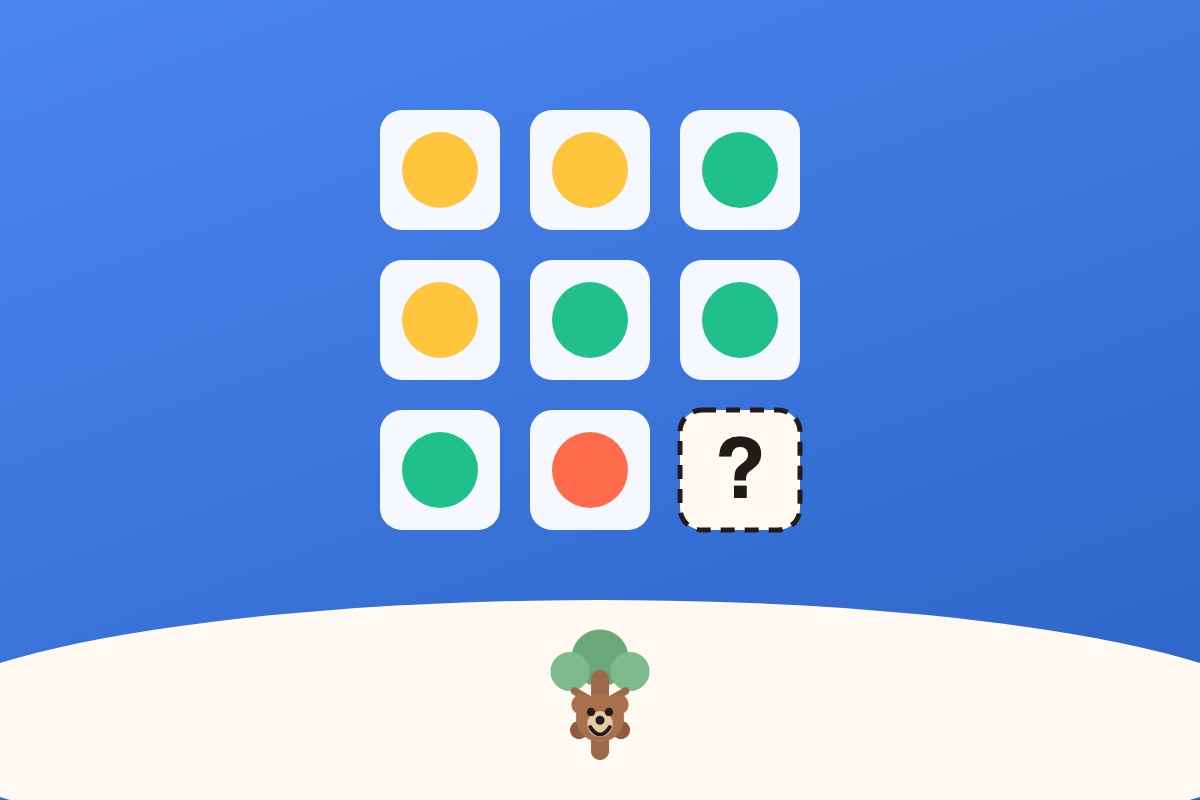
There are two ways a school can find gifted children. It can wait for a parent or teacher to refer a child for testing. Or it can test every child in a grade — universal screening. The choice turns out to matter a great deal, and one study shows exactly how much.
What happened in one Florida district
In 2005, a large and diverse Florida school district began giving every second grader a short non-verbal reasoning test, the NNAT, in class. Children who scored high enough went on to an individual IQ test with a school psychologist, as before. The bar for being identified as gifted did not change. What changed was who got to the bar.
- Among children from low-income families and English learners, the share identified as gifted roughly tripled, from 1.4% to 4.3%.
- The odds of being identified rose 118% for Hispanic children and 74% for Black children, against about 12% for white children.
- Many of the newly identified children scored well above the cut-off. They were not borderline cases; they had simply never been referred.
Why referral misses children
The authors’ conclusion is blunt: “parents and teachers often fail to recognize the potential of poor and minority students.” A referral depends on someone noticing, and on a parent knowing the program exists and how to ask. A test given to everyone doesn’t.
The study has a sobering end. When budget cuts suspended the screening in 2010, the share of third graders in gifted programs fell back to where it had been before.
Building the skill, either way
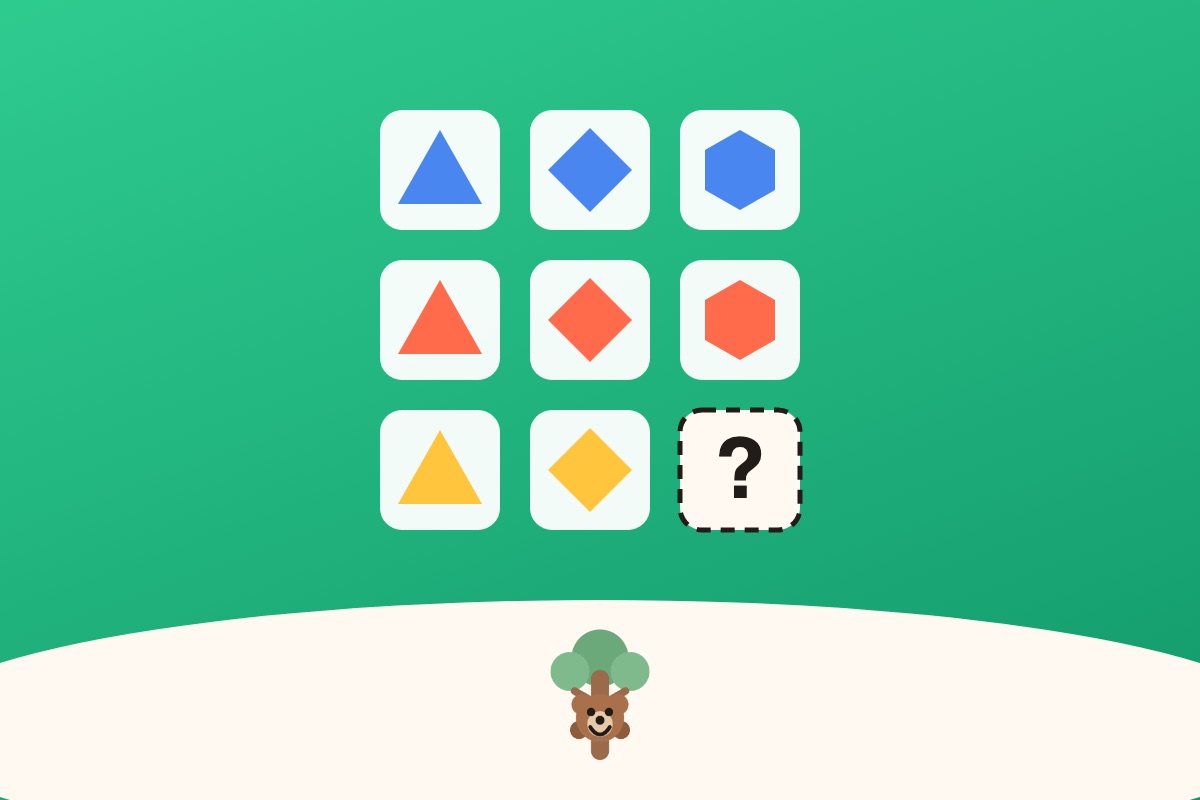
Screening or referral, the tests look at reasoning: finding a rule in words, numbers or shapes. That grows with practice that asks a child to explain, not just answer. How gifted testing works across the US.
Sources
From the makers of this blog
Cub Climb: Gifted Test Prep — reasoning puzzles that ask “why?”
- All three kinds of reasoning: words, numbers and shapes, nine puzzle types, 3,600+ original puzzles for ages 8 to 14 (grades 3 to 8).
- Answer, then say why. One star for the answer, a second for naming the rule, then the cub explains it in plain words.
- Puzzles follow your child, missed ones come back after 1, 3, 8, 20 and 50 days, and up to four children can each have their own climb.
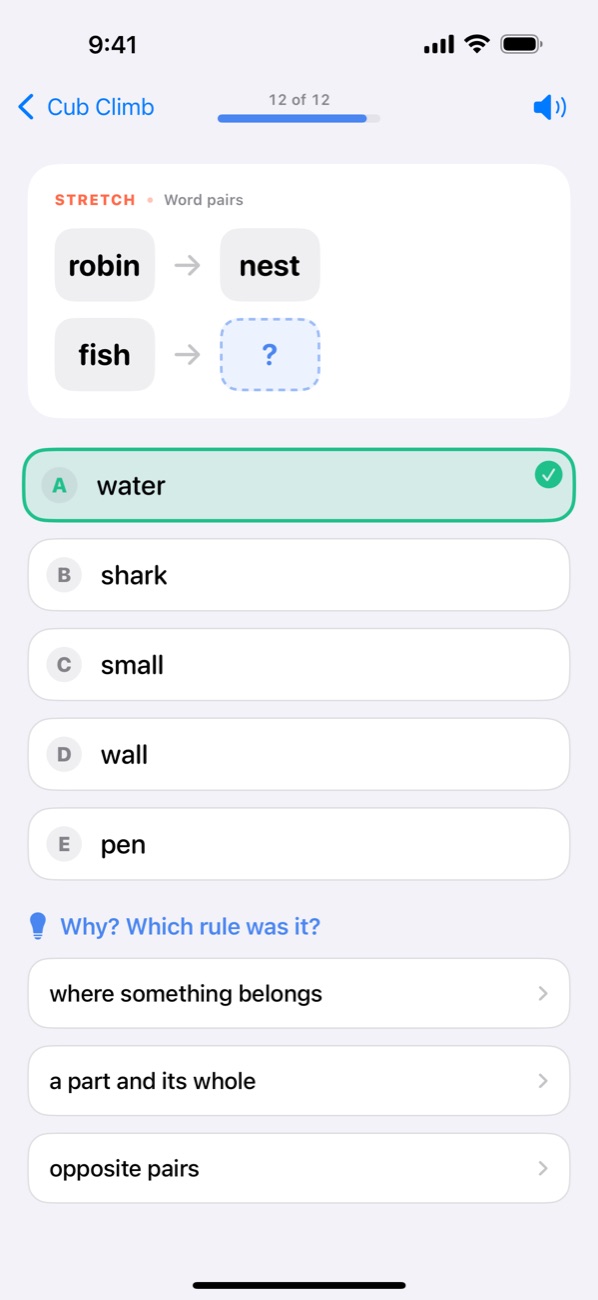
The first 20 puzzles are free. Then a season pass that never renews, or a monthly plan. See how it works.
 Android: coming soon
More from the blog
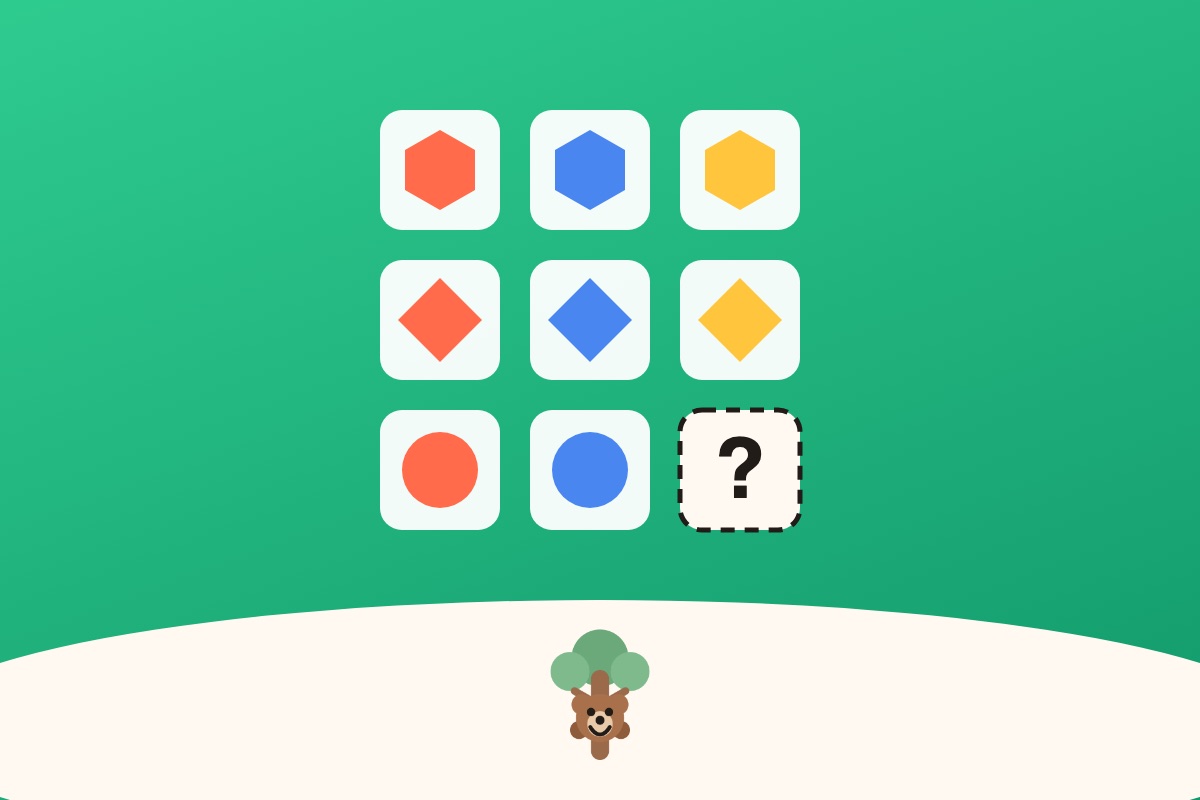 CogAT, NNAT or OLSAT? The US gifted tests, side by sideThe three reasoning tests US districts use most for gifted and talented programs: what each measures, the grades it covers, and what it doesn't test.
- Gifted testing
- United States
 Music exams around the world: ABRSM, Trinity, RCM and AMEBThe first music exams in the UK, Canada, the US and Australia, what they ask a beginner to read, and a quarter-note-to-crotchet glossary.
- Reading music
- United Kingdom
- United States
- Canada
- Australia
 The 11+, explained: verbal and non-verbal reasoningWhat the 11+ grammar school test asks, when children sit it, which parts are reasoning, and how to build those skills calmly from Year 4.
- Gifted testing
- United Kingdom
Cub Climb is not affiliated with, endorsed by, or connected to any school board, test publisher or testing organisation. CogAT, NNAT, OLSAT, CCAT-7, CAT4 and other test names are trademarks of their respective owners.