CogAT, NNAT or OLSAT? The US gifted tests, side by side
11 October 2026 · 6 min read
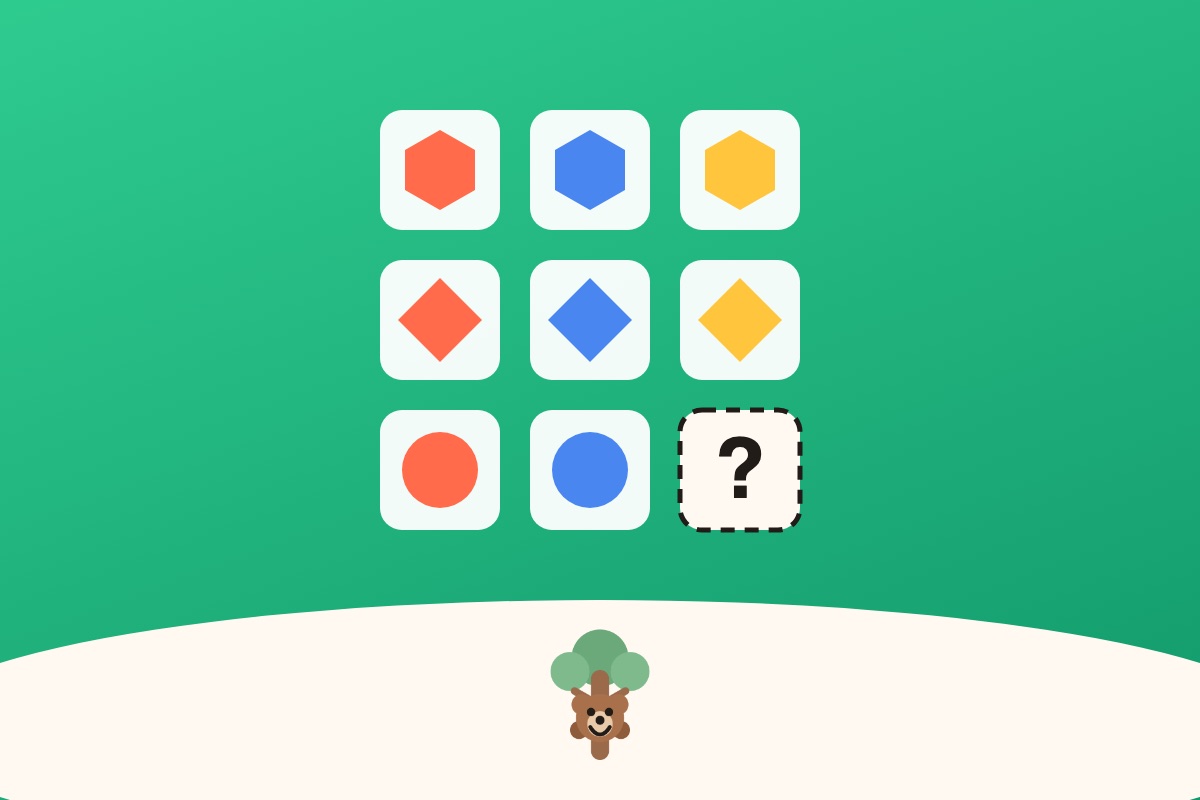
If your child’s school has mentioned “GT testing”, the test is very likely one of three: the CogAT, the NNAT or the OLSAT. They have different names and different publishers, but all three look at the same thing — how a child reasons — rather than what they have learned in class. Here is how they differ.
The CogAT: three kinds of reasoning
The Cognitive Abilities Test, from Riverside Insights, has three batteries: verbal, quantitative and non-verbal, with three kinds of question in each. Its ten levels run from kindergarten to grade 12.
- Up to grade 2, it is almost entirely pictures, with the directions read aloud.
- From grade 3 (Level 9), a child reads the words and numbers themselves.
- Form 8 is a parallel version of Form 7 — the same kinds of question, new items — so practice that matches one matches the other.
The NNAT: shapes only
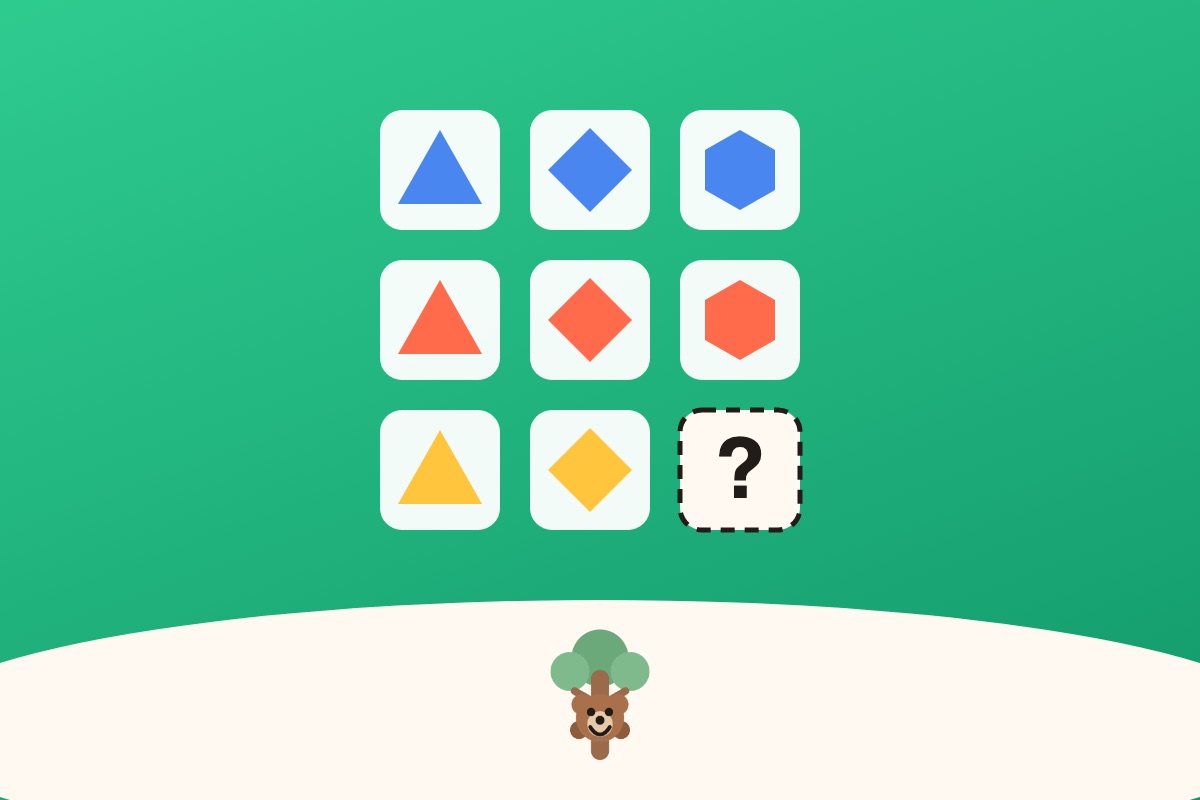
The Naglieri Nonverbal Ability Test, from Pearson, has no words at all. Each question is a pattern of shapes with a piece missing, and even the directions are pictures. Pearson describes it as “a nonverbal measure of general ability” from kindergarten to grade 12, taking about 30 minutes.
Because it doesn’t depend on English or reading, it is often used with young children and children still learning the language. A child who reads slowly but sees patterns quickly can shine here.
The OLSAT: a mix, with comprehension
The Otis-Lennon School Ability Test, also from Pearson, mixes verbal, non-verbal and quantitative questions. Alongside analogies, classification and series, its verbal part includes comprehension questions such as following directions — something the other two don’t ask.
Which one will my child take?
It depends on your district, and sometimes on your child’s grade. Denver, for example, uses the NNAT3 in early childhood, the Naglieri General Abilities Test in grades 1 and 5, and the CogAT from grade 7. Your district’s gifted and talented page (it may be called GT, GATE or AAP) lists its tests and dates.
How the puzzles here line up
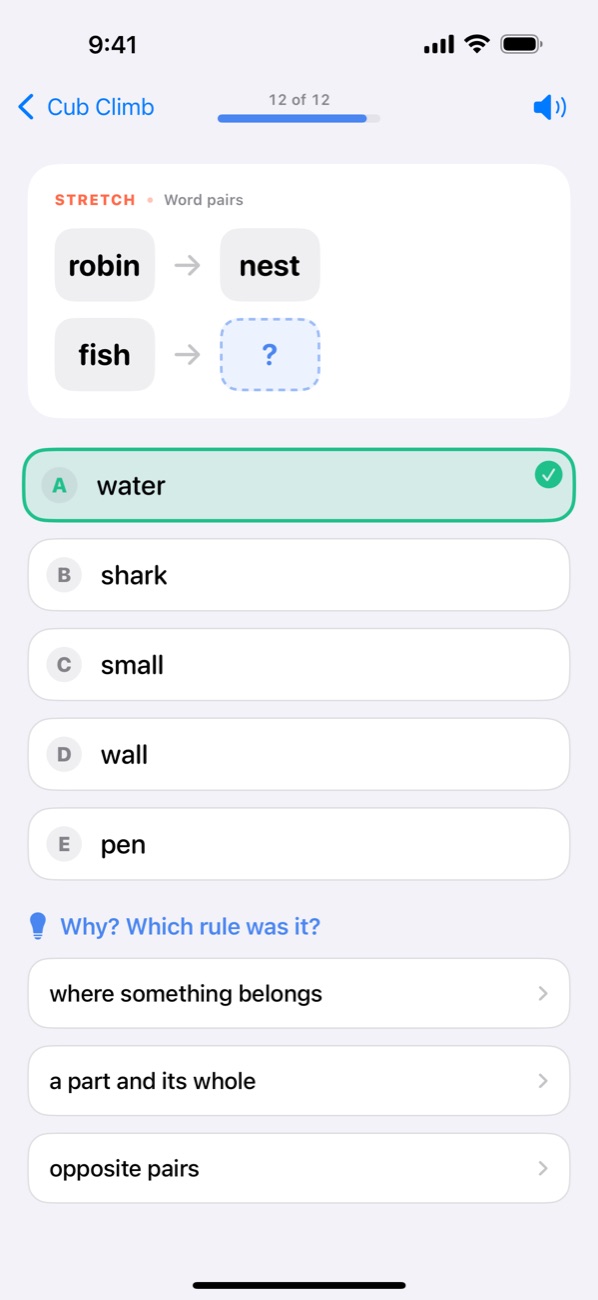
Cub Climb’s nine question types are the CogAT’s nine, from the grade 3 level up. The NNAT’s shape patterns match its figure matrices, and much of the OLSAT’s reasoning has a match too — but not its comprehension questions. Every puzzle is original, and after each answer your child names the rule. Each test has its own page: CogAT, NNAT and OLSAT.
Sources
From the makers of this blog
Cub Climb: Gifted Test Prep — reasoning puzzles that ask “why?”
- All three kinds of reasoning: words, numbers and shapes, nine puzzle types, 3,600+ original puzzles for ages 8 to 14 (grades 3 to 8).
- Answer, then say why. One star for the answer, a second for naming the rule, then the cub explains it in plain words.
- Puzzles follow your child, missed ones come back after 1, 3, 8, 20 and 50 days, and up to four children can each have their own climb.
The first 20 puzzles are free. Then a season pass that never renews, or a monthly plan. See how it works.
 Android: coming soon
More from the blog
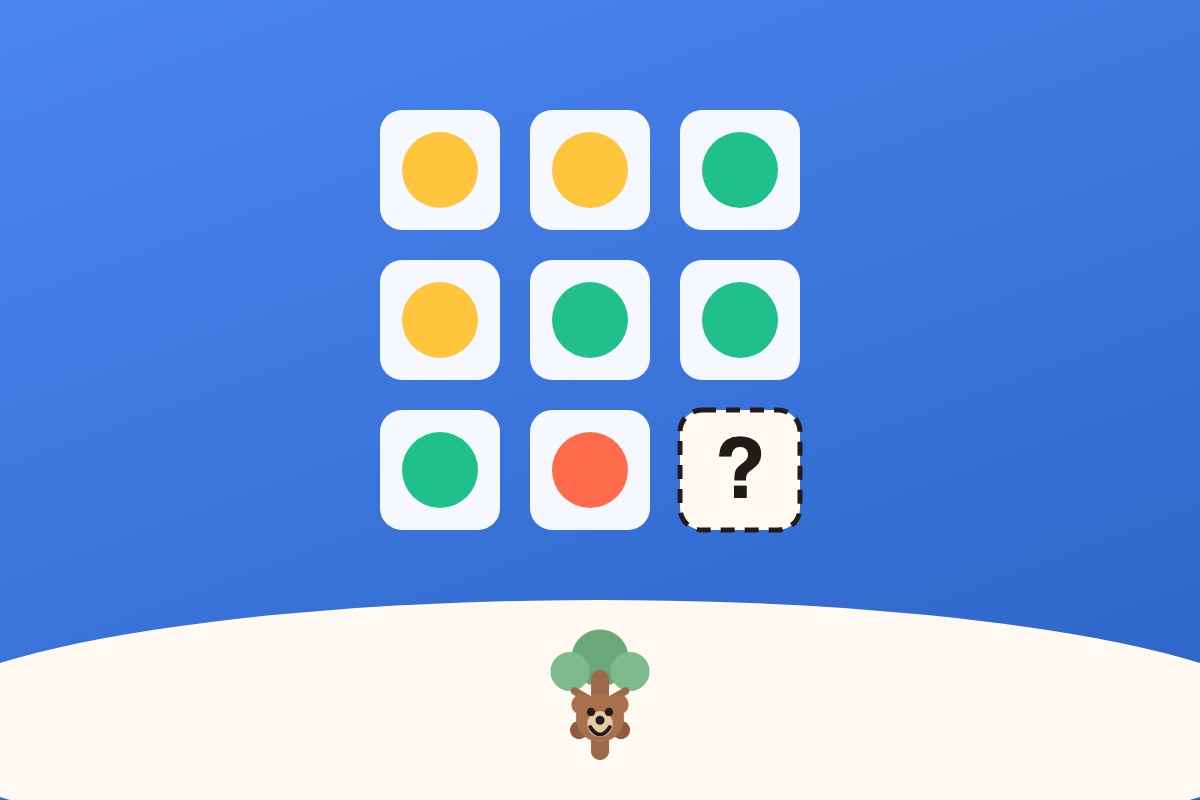 Referral or screening everyone? How US schools find gifted kidsWhat happened when a large Florida district tested every second grader instead of waiting for referrals — and what it means for your child.
- Gifted testing
- United States
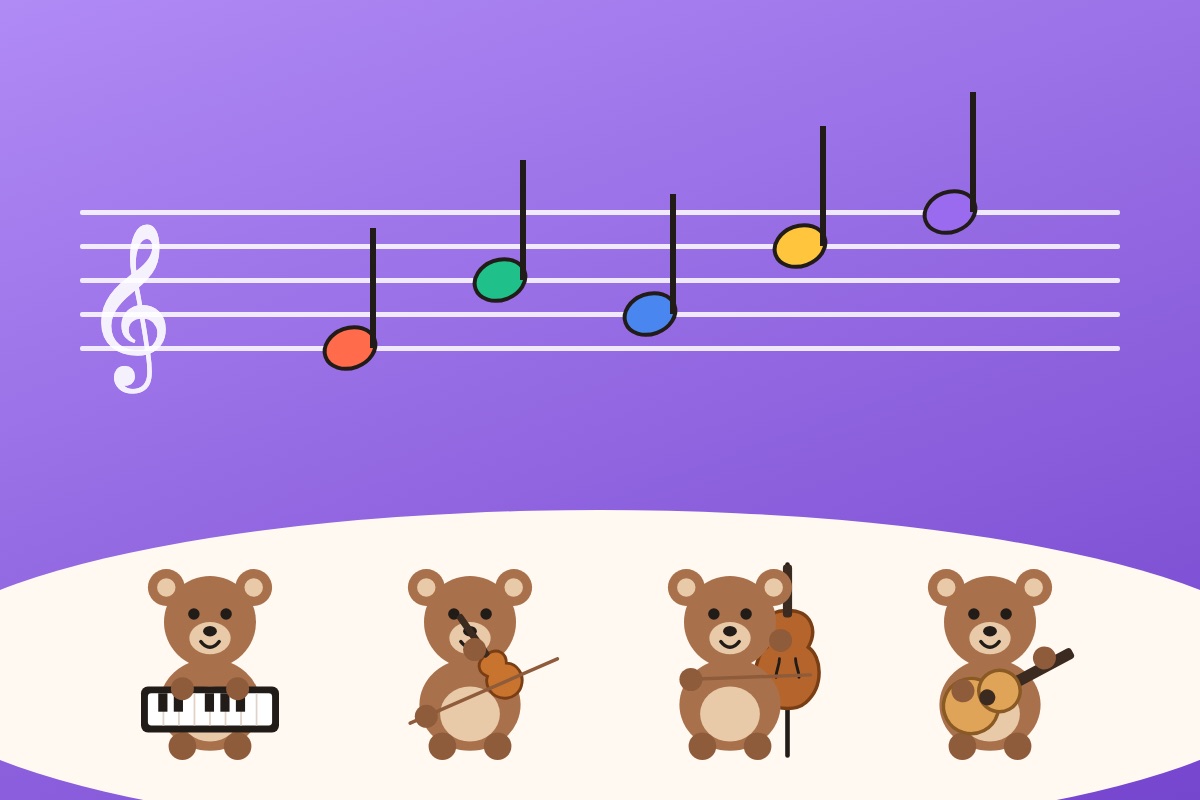 Music exams around the world: ABRSM, Trinity, RCM and AMEBThe first music exams in the UK, Canada, the US and Australia, what they ask a beginner to read, and a quarter-note-to-crotchet glossary.
- Reading music
- United Kingdom
- United States
- Canada
- Australia
 The 11+, explained: verbal and non-verbal reasoningWhat the 11+ grammar school test asks, when children sit it, which parts are reasoning, and how to build those skills calmly from Year 4.
- Gifted testing
- United Kingdom
Cub Climb is not affiliated with, endorsed by, or connected to any school board, test publisher or testing organisation. CogAT, NNAT, OLSAT, CCAT-7, CAT4 and other test names are trademarks of their respective owners.